As students enter my science class for the very first time, they often ask “When will I ever use this?” or “Why do I need to learn this?” While part of my job is the help students understand why they need to learn something, it is also my job to be sure that what I confront them with is something that they truly need to learn. There needs to be a attainable challenge in what work we complete, but there also needs to be purpose. The field of education might call this a connection to “real-life” or the “real world”.
Science is a class that students will often consider fun but the purpose in learning is not always clear in their mind. Why do I need to learn to read a graph? Why do I need to learn to conduct an experiment? Why should I learn to read scientific text?
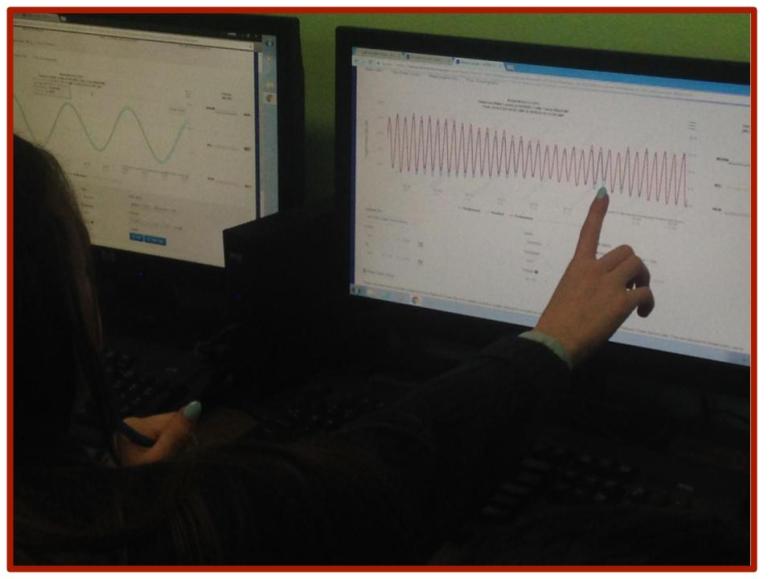
My classroom often contains activities similar to the one found here. Liz LaRosa shares on her Middle School Science Blog an amazing activity allowing students to work with with real-life data provided through the NOAA Tides and Currents website. I was able to place this same real-life practice in front of my own students today and add an additional activity to challenge my students’ data and graph analysis skills.
While my students thought this was fun (and as always better than me lecturing), they did still wonder “When will I ever use this? I do not want to be an oceanographer.”
Valid question. Learning to read graphs is much more than a science skill. It teaches students the ability to analyze what is in front of them. This skill will take them far beyond the classroom into real-life where they will be faced with the need to analyze on a daily basis. Analyzing college options. Analyzing career possibilities. Analyzing personal choices that they have made or will need to make in the future. Analysis skills allow us to be informed and prepared to make decisions and to evaluate our current environment.
They will also need these skills to analyze their faith. What do they believe? Do they believe in God? What do others believe? Why do they believe what they do? How do their beliefs compare? Science has moved way outside of the classroom at this point. Yes, into the real world.
I would encourage you today to spend some time analyzing your own faith walk. What do you really believe? What does the “data” in your life show? What would others come away with if they were to sit down and analyze your life? Does your claim match what your life proves? Science meet the real world.
“Whatever happens, conduct yourselves in a manner worthy of the gospel of Christ.” Philippians 1:27
 Teaching Beyond the Norm
Great read and so true!
LikeLike